Reservation available. Sendai Beef tongue is really out of the world, even though I have tried branches in Tokyo, it just tastes different.
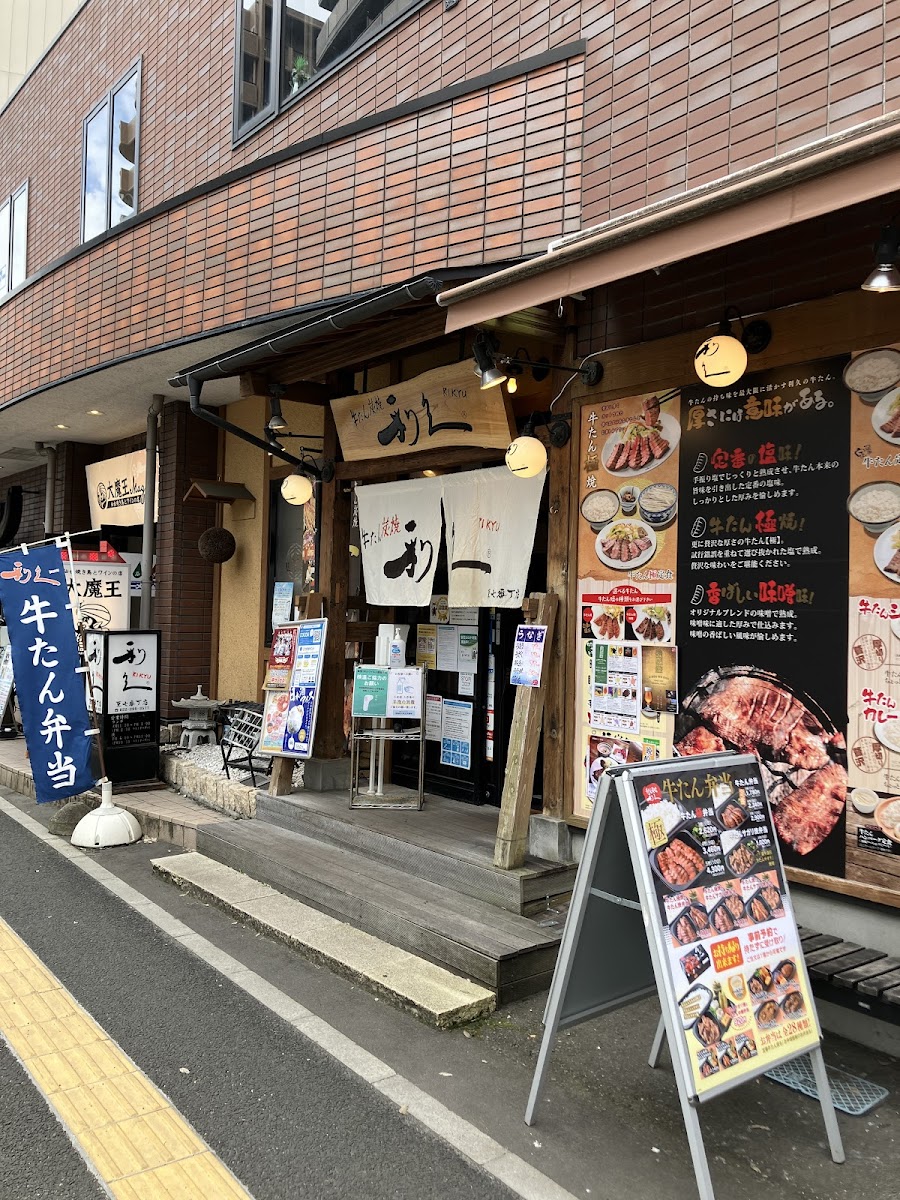
Overview
Walking out of Sendai Station’s west exit, it takes only a few minutes before the elevator doors open on the 5th floor of Herb Sendai and you’re standing in front of Rikyu West Exit Main Branch, a place locals talk about the way people elsewhere talk about comfort food. The address is easy to remember once you’ve been there: Japan, 〒980-0021 Miyagi, Sendai, Aoba Ward, Central, 1 Chome−6−1 Herb Sendai, 5F. I first visited after a long workday, hungry and skeptical about hype, and left understanding exactly why this spot keeps showing up in glowing reviews.
The menu revolves around gyutan, Sendai’s signature beef tongue, but it’s not treated like a novelty. The staff explained that the tongue is aged for several days to deepen flavor and soften texture, a method long associated with traditional Sendai-style preparation. According to food science research often cited by culinary schools in Japan, controlled aging allows enzymes to break down muscle fibers, which is why the first bite feels tender rather than chewy. When my plate arrived, the aroma alone hinted at charcoal-grilled perfection, and the slightly crisp exterior gave way to a juicy center that didn’t need extra sauce to impress.
What stood out was how balanced the set meals felt. The classic gyutan teishoku comes with barley rice, lightly pickled vegetables, and a clean oxtail soup. Nutrition data published by the Japanese Ministry of Agriculture notes that barley rice has a lower glycemic index than white rice, which explains why the meal feels filling without being heavy. That detail might seem small, but it shows how Rikyu West Exit Main Branch sticks to tradition with purpose, not just habit.
I watched a group of first-time visitors at the next table compare bites, clearly surprised by how approachable the flavors were. One of them mentioned expecting something gamey, but instead found surprisingly mild and savory notes. That reaction matches what many reviewers mention online: this is a place where skeptics become regulars. The cooking process is consistent too. Each slice is grilled to order, and you can actually see the timing rhythm if you sit near the open kitchen, a sign of a well-practiced team rather than rushed service.
The location adds to the appeal. Being so close to the station makes it an easy stop for travelers, yet it doesn’t feel touristy. During my second visit, I noticed plenty of office workers grabbing dinner, which usually signals trust. The atmosphere is relaxed, with warm wood tones and enough space to enjoy conversation without shouting. It’s casual enough for solo diners but comfortable for small groups exploring Sendai together.
Experts from the Michelin Guide often emphasize consistency as a marker of quality dining, and while Rikyu isn’t chasing fine-dining stars, that philosophy clearly applies here. Every visit delivers the same careful plating and attentive service. Staff members are quick to explain menu differences, like the thicker-cut premium tongue versus the standard option, helping guests choose based on preference rather than price alone.
There are limitations worth noting. If you’re looking for an extensive menu beyond beef tongue, options are focused rather than broad. That said, the specialization is exactly why the restaurant works. By narrowing the scope, Rikyu West Exit Main Branch maintains quality control and honors the dish that put Sendai on the culinary map.
For anyone checking restaurant reviews before deciding where to eat, this place earns its reputation through experience rather than buzz. It’s a reliable stop where technique, tradition, and thoughtful preparation come together naturally, and each visit reinforces why it remains a favorite in Sendai’s dining scene.
Good to know
Service options
✓ Delivery ✓ Takeaway ✓ Dine-inPopular for
✓ Lunch ✓ Dinner ✓ Solo diningAccessibility
✓ Wheelchair-accessible car park ✓ Wheelchair-accessible entrance ✓ Wheelchair-accessible seatingOfferings
✓ Alcohol ✓ Beer ✓ Cocktails ✓ Small plates ✓ WineDining options
✓ Lunch ✓ Dinner ✓ Dessert ✓ Table serviceAmenities
✓ ToiletAtmosphere
✓ Casual ✓ CosyCrowd
✓ Groups ✓ TouristsPlanning
✓ Dinner reservations recommended ✓ Accepts reservationsPayments
✓ Credit cards ✓ PayPay ✓ Rakuten PayPhotos
1 / 4
Location
Reviews
- No ratings yet 1313 reviews
The iconic food from Sendai: Gyutan (Beef Tongue) ! The tongue is juicy, tender, and rich of flavor. Must-try!
This place gave us the "AHA!" moment of why Sendai Gyutan is so famous.
Best gyuutan I've ever had in Japan at this price. Super rich flavor, and just the right amount of tenderness. Dishes came in almost instantly after we ordered. Price is about 1700JPY + tax for a set meal (rice, soup, salad etc).
Arguably the finest restaurant in the whole of Sendai! Absolutely fantastic gyutan (BBQ cow tongue).
A good place to try beef tongue when visiting Sendai